Agentic AI represents a fundamental shift in how enterprises deploy artificial intelligence. Unlike traditional AI systems that respond to specific queries or perform narrow tasks, agentic AI systems can autonomously plan, reason, and execute multi-step workflows with minimal human intervention. For enterprise leaders, this transition from reactive AI tools to proactive AI agents marks the most significant operational transformation since cloud computing.
What Makes AI “Agentic”?
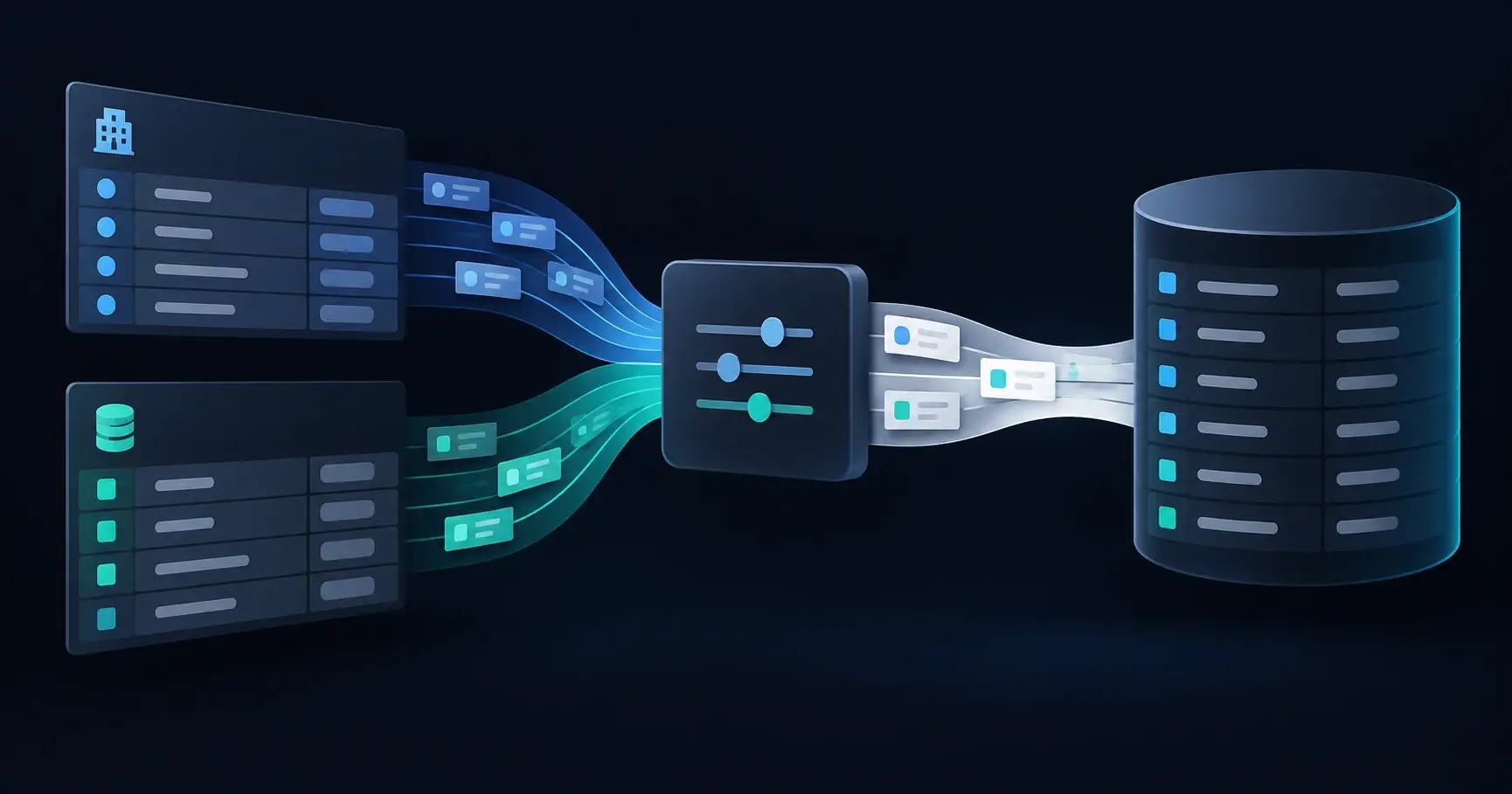
The defining characteristic of agentic AI is autonomy within defined boundaries. An agentic system can decompose complex goals into subtasks, determine the optimal sequence of actions, use tools and APIs to gather information or execute operations, evaluate intermediate results, and adapt its approach when initial strategies fail. This goes far beyond the prompt-response paradigm of conversational AI or the pattern-matching of traditional machine learning models.
In practice, agentic AI combines large language models with tool use capabilities, memory systems, and planning algorithms. Frameworks like LangChain, AutoGen, and CrewAI have emerged to help developers build agentic systems, while enterprise platforms are rapidly integrating agentic capabilities into existing workflows. The result is AI that can handle the kind of complex, multi-step business processes that previously required extensive human coordination.
Enterprise Use Cases for Agentic AI
Autonomous Research and Analysis
Agentic AI systems can conduct comprehensive research by autonomously searching multiple data sources, synthesizing findings, identifying patterns, and producing structured reports. In competitive intelligence, market research, and regulatory monitoring, agentic systems can perform in hours what previously took analysts weeks. The key differentiator is their ability to pursue follow-up questions and explore tangential findings without explicit human direction.
Intelligent Process Automation
Where traditional robotic process automation follows rigid scripts, agentic AI can handle exceptions, make judgment calls, and adapt to process variations. An agentic system managing invoice processing, for example, can identify discrepancies, research resolution options, communicate with vendors, and escalate only the truly ambiguous cases to human reviewers. This dramatically reduces the human overhead in complex operational workflows.
Customer Experience Orchestration
Agentic AI is transforming customer service from reactive ticket resolution to proactive experience management. An agentic customer service system can monitor customer interactions across channels, identify emerging issues before they escalate, coordinate responses across departments, and execute resolution workflows autonomously. Sprinklenet has built custom AI chatbot solutions that use agentic capabilities to handle complex customer workflows that span multiple systems and touchpoints.
Software Development and IT Operations
In software engineering, agentic AI systems can write code, run tests, debug failures, and iterate on solutions with minimal human oversight. In IT operations, agentic systems can monitor infrastructure, diagnose issues, implement fixes, and verify resolution, the concept of autonomous operations, or AIOps, taken to its logical conclusion. These applications demonstrate agentic AI’s strength in domains where problems have clear success criteria and actions can be validated programmatically.
Challenges and Risks of Agentic AI Deployment
Deploying agentic AI introduces unique challenges that enterprises must address proactively. The most significant is the control problem: how do you give AI enough autonomy to be useful while maintaining sufficient oversight to prevent costly errors? Effective agentic deployments implement what practitioners call “human-in-the-loop” or “human-on-the-loop” patterns, where the agent operates autonomously within defined parameters but escalates to human decision-makers when confidence is low or stakes are high.
Security and access control present another critical challenge. An agentic system that can use tools and APIs inherits the permissions of its execution context. Organizations must implement principle-of-least-privilege access models, audit logging for all agent actions, and reliable sandboxing to prevent agents from taking actions outside their intended scope. The risks of a misconfigured agentic system are substantially higher than those of a traditional AI model because the agent can take real-world actions.
Building an Agentic AI Strategy
Organizations looking to adopt agentic AI should start with well-defined, bounded use cases where autonomous operation delivers clear value and where the consequences of errors are manageable. The path from chatbot to autonomous agent is not a single leap, it is a series of deliberate capability expansions, each validated before the next begins.
Sprinklenet operates agentic AI systems in production every day. Our internal operations run on autonomous agents built on the Claude Code SDK that scan federal solicitations, draft proposal content, organize documents across enterprise systems, and execute multi-step business workflows with minimal human intervention. This is not theoretical positioning. It is how we deliver work.
That operational experience shapes how we advise clients. The organizations that succeed with agentic AI share three traits: they define clear guardrails before granting autonomy, they invest in observability so every agent action is logged and reviewable, and they start with internal workflows where the cost of failure is low before extending agents to customer-facing or mission-critical operations.
How Sprinklenet Delivers Agentic AI
Our Knowledge Spaces platform provides the governed infrastructure layer that agentic deployments require, multi-model orchestration with tool calling across 16 foundation models, human-in-the-loop checkpoints, four-tier role-based access controls, and comprehensive audit logging across every agent action. The platform’s guardrail engine handles PII detection, prompt injection prevention, and content moderation, ensuring that autonomous agents operate within defined safety boundaries.
For organizations that want to move beyond chatbots and into genuine autonomous workflows, the combination of a mature control layer and hands-on implementation experience is what separates production-ready agentic AI from proof-of-concept demos that never ship. Contact Sprinklenet to discuss how agentic AI can transform your operational workflows.