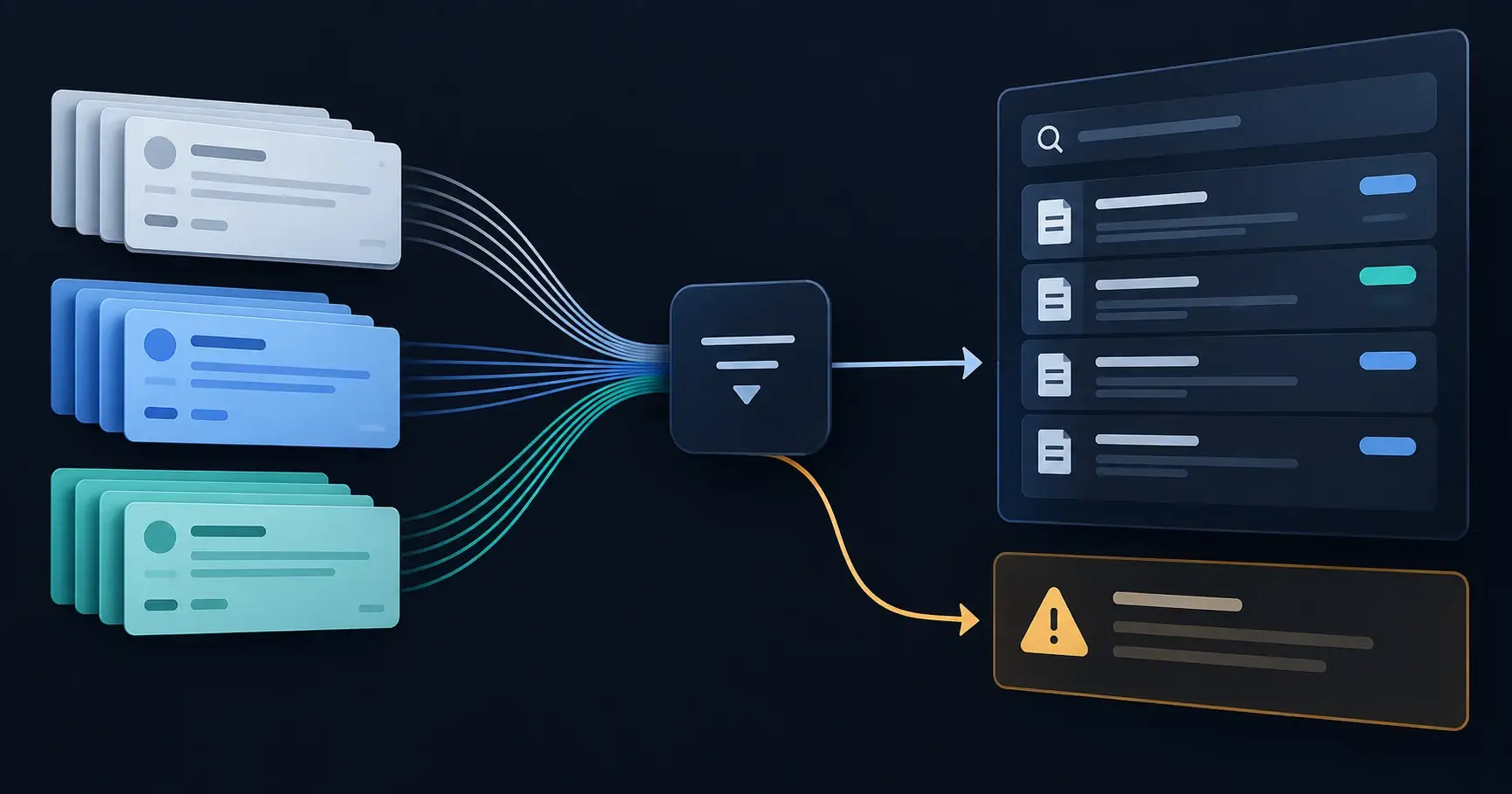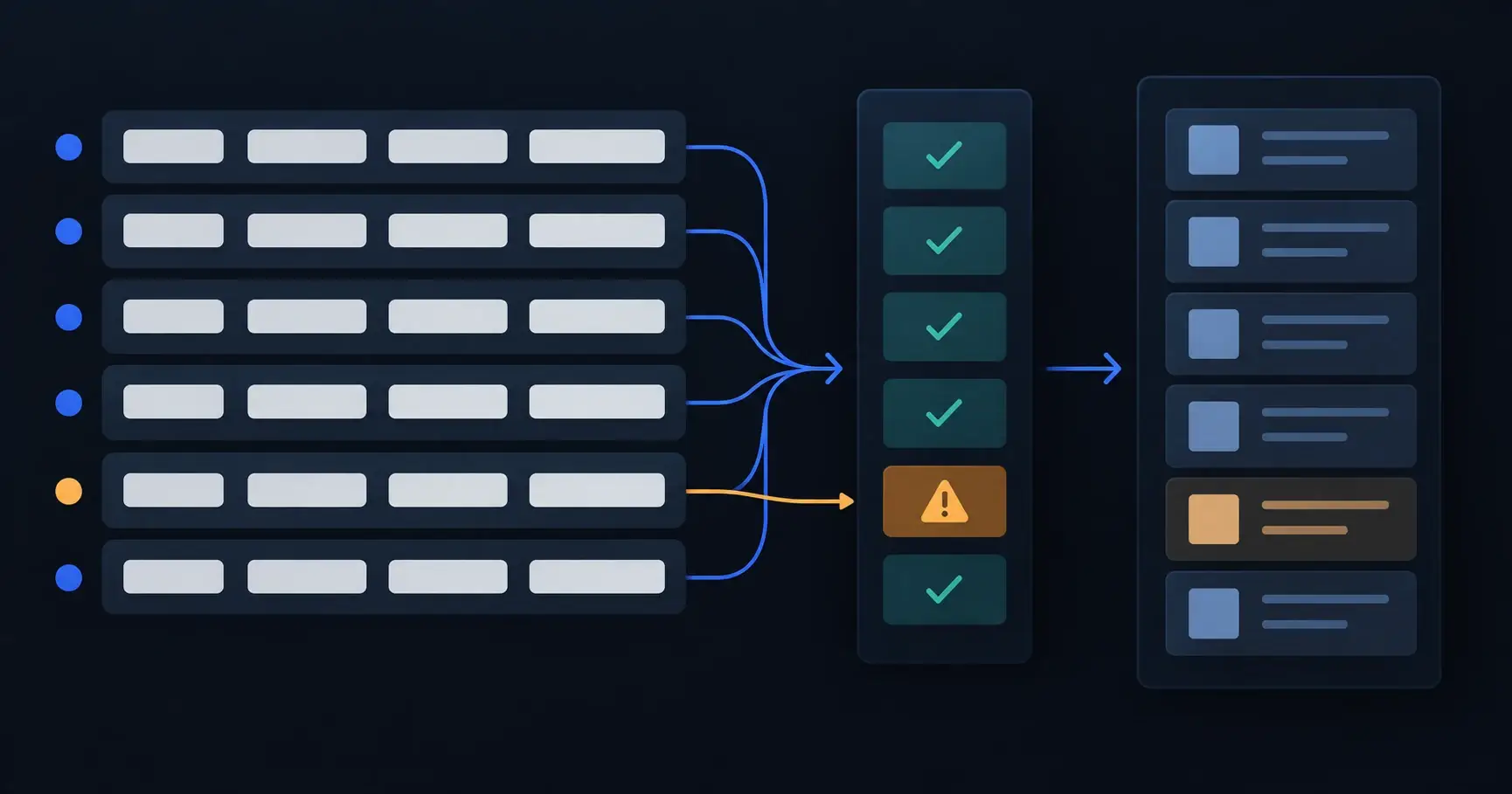

A sandbox needs an approved data policy, named users, budget limits, restricted tools, and a clear exit path. Use public or approved test material first. A promising experiment should become a documented implementation proposal before receiving broader data access.
Write the Sandbox Charter
Name the experiment owner, intended task, participants, information allowed, and stop date. Define what would justify further investment before opening access.
Limit Data, Tools, and Spending
Begin with public or specifically approved test material. Restrict tools and service permissions; assign budget alerts and an owner who can stop usage.
Example: A team tests policy-question quality with a reviewed public document set, a read-only tool, and an agreed spending limit.
Capture Evidence Without Building a Sensitive Log Archive
Record configuration versions, outcomes, costs, and failures needed to understand the experiment. Choose what content may be captured, who can read it, and when it expires.
Define Promotion and Shutdown
Require an implementation plan, tested access model, evaluation results, and operating owner before broader data access. At closure, revoke temporary access and handle retained records under the agreed policy.
A sandbox result should answer a limited question, such as whether users can complete a task with the proposed interaction. It may leave production requirements deliberately untested. For example, a successful experiment with public documents says little about access behavior for restricted records. Record those exclusions in the promotion decision. The next phase can then test the missing requirements before broader use. This preserves the value of an inexpensive experiment without treating its simplified conditions as evidence that the full operational design is ready.
Discuss the implementation scope with Sprinklenet. A useful starting point: a governed experiment design with explicit promotion and closure criteria.
References
The recommendations above are Sprinklenet’s practical guidance. Technical context: NIST AI Risk Management Framework, OWASP Prompt Injection, OpenTelemetry Sensitive Data Handling.