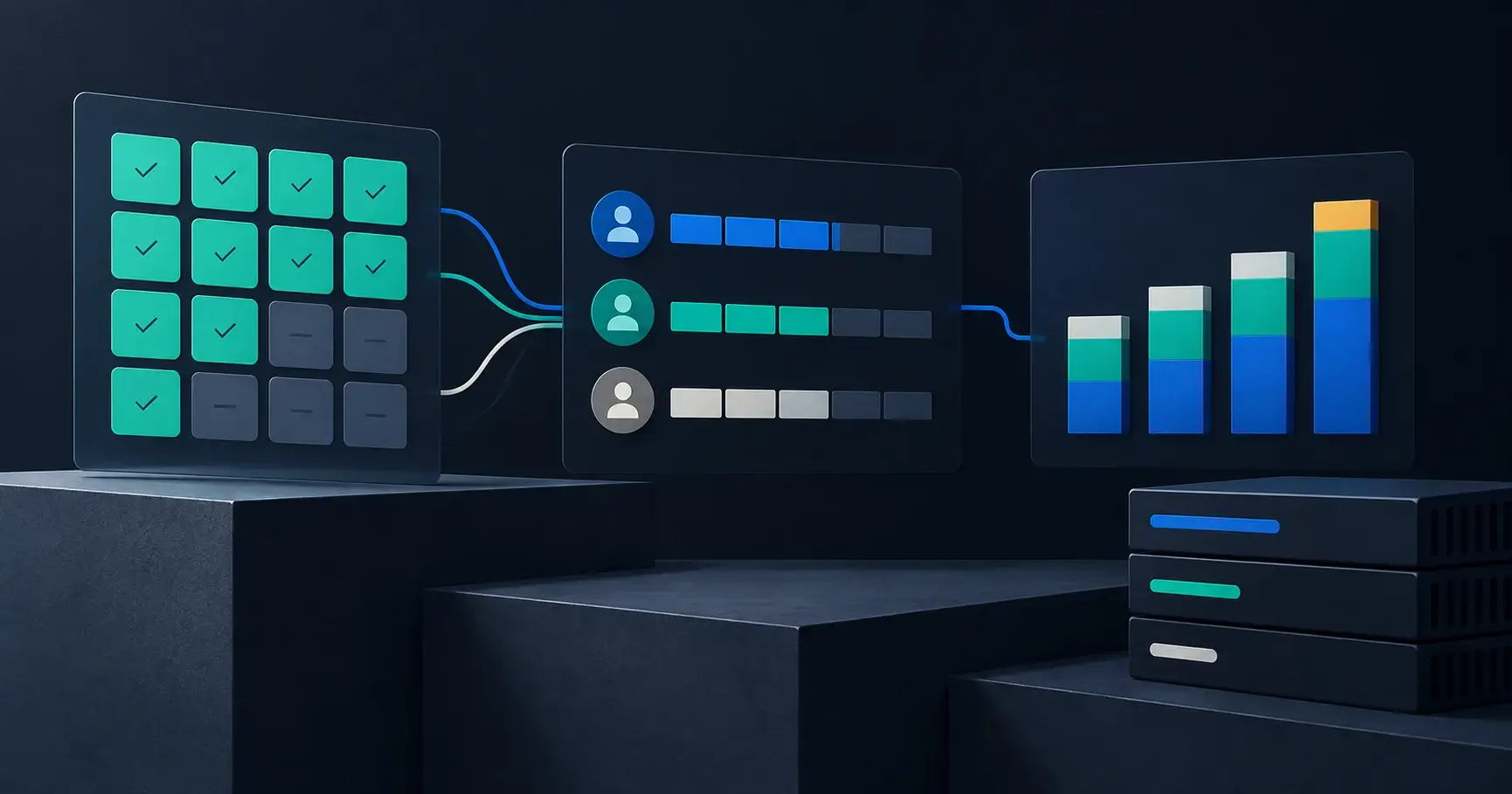
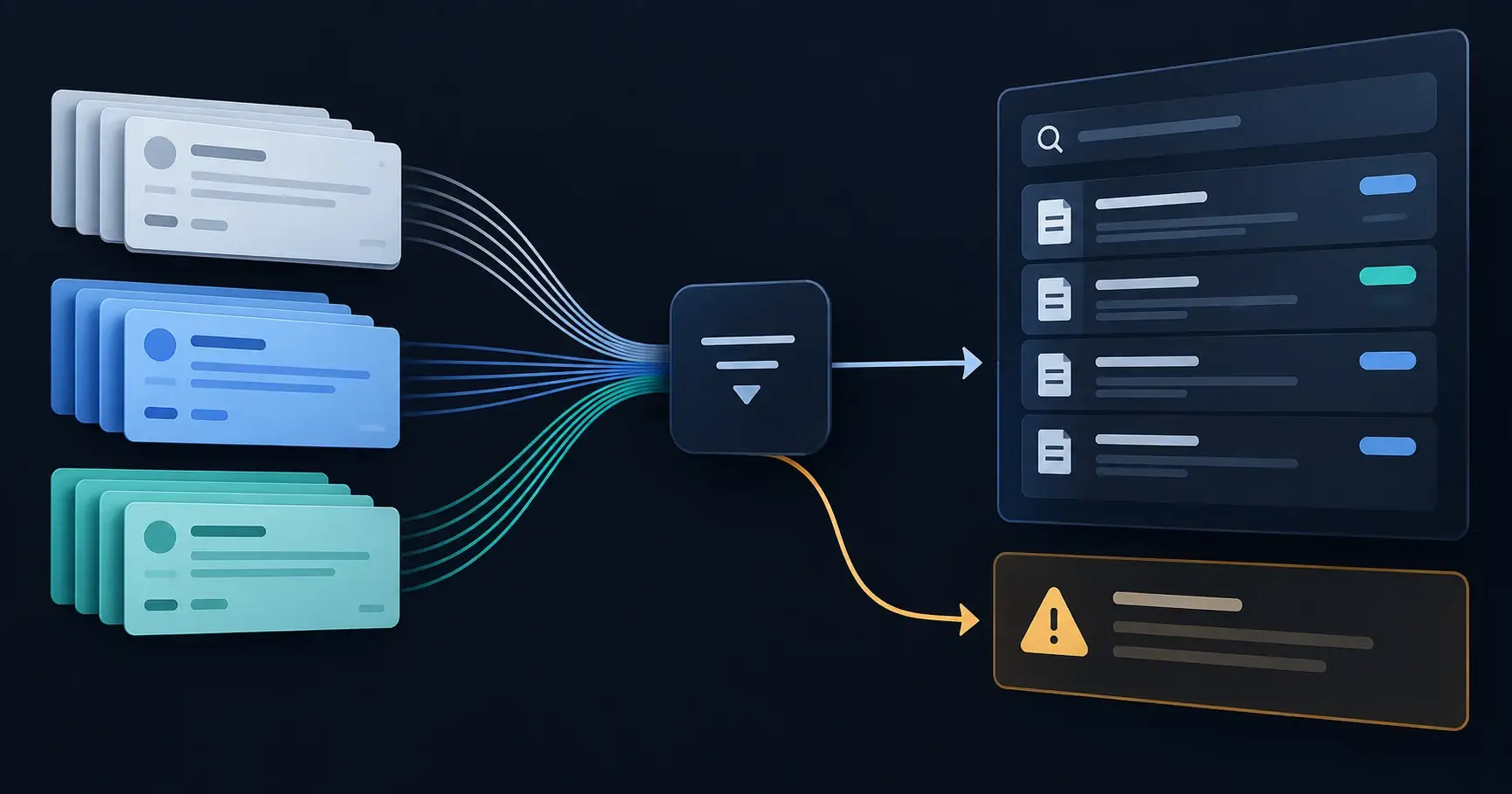
Choose one recurring ticket type with a maintained knowledge source and a clear owner. Measure whether users resolve the task correctly, whether tickets reopen, and how often a person must intervene. Keep the escalation path visible throughout the interaction.
Select One Recurring Informational Ticket
Group tickets by problem and choose a type with an authoritative maintained source. Exclude password changes, access grants, and other privileged actions from the initial answer-only scope.
Repeated tickets do not always indicate a search problem. Users may be asking because the process is unclear, an approval is slow, or the published instructions describe steps they cannot complete. Review a sample before deciding that an assistant is the right intervention. If a hypothetical request repeatedly stalls at an unavailable approval step, restating the instructions will not resolve it. The better first action may be to repair the process or clarify ownership, then use the assistant to explain a procedure that actually works.
Define a Useful Answer and Escalation
Show the answer, source, relevant qualifications, and the next step if it fails. Pass the question and attempted steps to support without requiring users to start over.
Example: For a software-installation request, the assistant identifies the approved request process and links the current guide; it does not silently install software or grant administrator rights.
Keep Knowledge Ownership Visible
Name the owner who fixes outdated or conflicting guidance. Route repeated unanswered questions into a content backlog instead of repeatedly generating speculative responses.
Measure Resolution Rather Than Ticket Deflection
Compare correct resolution, reopened tickets, human intervention, and total handling effort. Investigate users who abandon the assistant or open a ticket later; a missing ticket is not proof of success.
Discuss the implementation scope with Sprinklenet. A useful starting point: a pilot for one repeatable support-ticket category with a resolution-quality measure.
References
The recommendations above are Sprinklenet’s practical guidance. Technical context: OWASP Excessive Agency, Microsoft RAG Evaluators.