AI Risk Registers: A Practical Starting Point
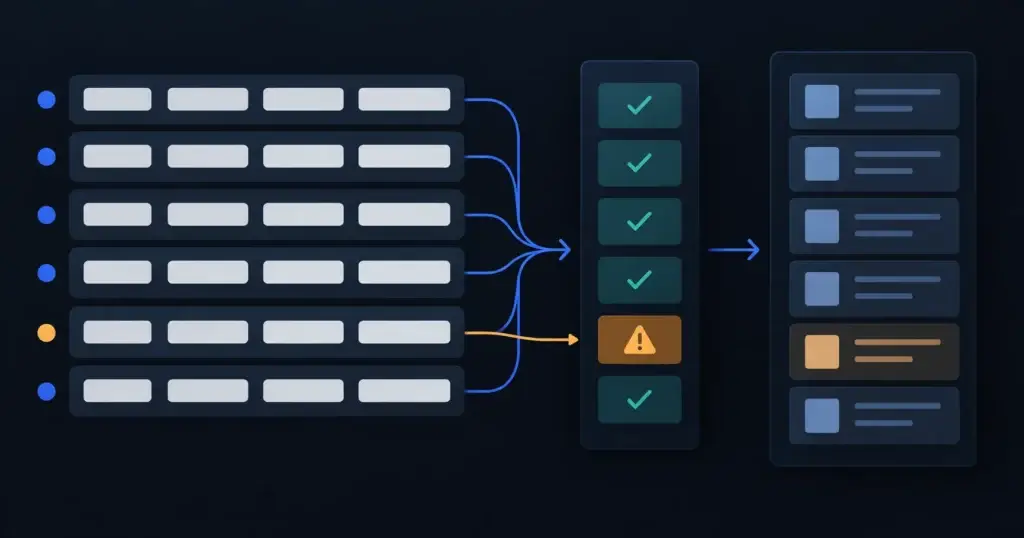
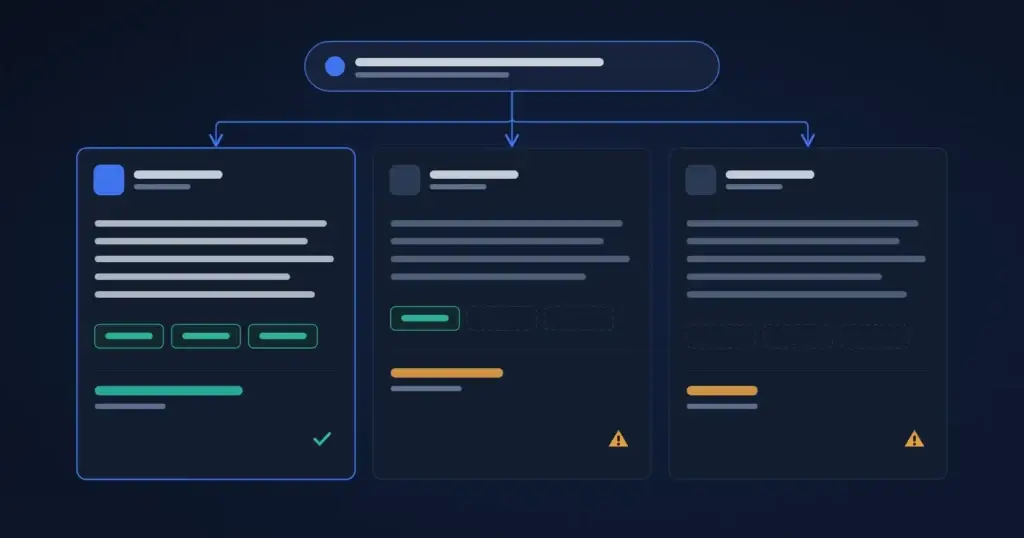
Use one entry per concrete failure scenario. Record the affected workflow, consequence, existing control, evidence, owner, and next review date.
 Knowledge Spaces
Applications
Governance
Delivery
Advisory
Industries
Government and Teaming
Company
Contact
Contact
Scope a Six-Week Pilot
Author
Sprinklenet Research contributor focused on policy translation, compliance evidence, and executive-ready AI operating controls.
Use one entry per concrete failure scenario. Record the affected workflow, consequence, existing control, evidence, owner, and next review date.
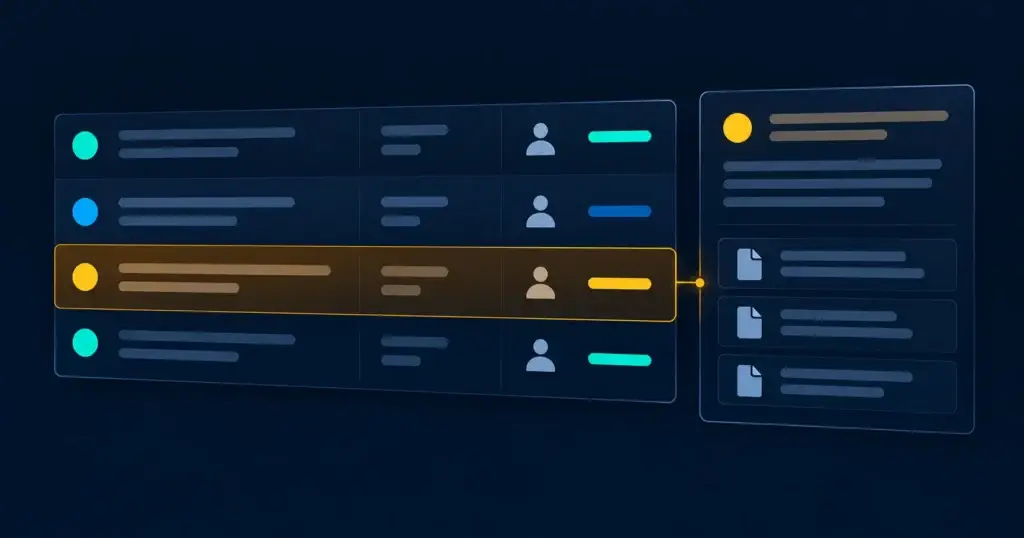
Consider a policy-research workflow that assembles relevant source passages for a finance reviewer. The reviewer records the applicable guidance, unresolved facts, and decision.
Compare the proposed application boundary before the cloud label.
Ask the supplier to demonstrate one allowed request, one denied request, a revoked permission, and a failed connector.
Better procurement questions make vendor responses more comparable and reduce delivery risk.
A chat transcript is not an audit trail.
Most contracting firms cannot say which AI tools are approved to touch contract data, and that gap matters more than model access.
Every document your retrieval system indexes is a potential instruction channel into the model.
Mid-market companies carry enterprise-sized AI obligations without a risk office to manage them.
AI automates the most time-consuming compliance tasks, from regulatory monitoring to gap analysis and reporting, and frees compliance officers for the judgment calls that…
A factual 2026 comparison of the four major Federal Acquisition Regulation AI chatbots: FARbot, FARGPT, FARchat, and ChatGPT’s FAR Answer Bot.
A practical decision framework for choosing prompting, retrieval, fine-tuning, or a hybrid approach for enterprise AI systems.
Most weeks I send one short read on enterprise AI: what’s working in real deployments, what’s not, and what I’d do in your seat.
Jamie Thompson, Founder and CEO