The decision of where to run AI workloads is one of the most consequential choices an organization makes during its AI journey. It affects security posture, operational costs, performance characteristics, and the range of AI capabilities available. Yet this decision is often treated as a purely technical concern delegated to the IT team, when it should be a strategic decision informed by mission requirements, risk tolerance, and long-term organizational goals.
The reality is that “on-premises versus cloud” is no longer a binary choice. Most organizations end up with some form of hybrid architecture, running certain AI workloads in the cloud for convenience and scalability while keeping others on-premises for security or regulatory reasons. Understanding the tradeoffs at each point on this spectrum is essential for making informed decisions.
The Case for Cloud AI
Cloud-based AI offers compelling advantages in speed and flexibility. Major cloud providers offer pre-built AI services that can be deployed in hours rather than months. Language models, vision systems, speech recognition, and other AI capabilities are available as API calls, eliminating the need to acquire specialized hardware, hire ML engineers, or manage model training infrastructure.
Scalability is another significant advantage. Cloud AI services can scale from handling ten queries per day to ten thousand without any changes to infrastructure. Organizations with variable workloads, seasonal spikes in document processing, periodic surges in analysis demand, or unpredictable growth patterns, benefit from the ability to scale resources up and down dynamically rather than provisioning for peak capacity.
Cost structure also favors cloud for many use cases. Instead of large upfront capital expenditures for hardware and software licenses, cloud AI operates on a pay-as-you-go model. For organizations experimenting with AI or deploying it at moderate scale, this operational expense model reduces financial risk and avoids the sunk cost problem that can make organizations reluctant to change course if an AI initiative does not deliver expected results.
The Case for On-Premises AI
For organizations handling sensitive data, classified government information, protected health records, financial data subject to regulatory control, or proprietary intellectual property, on-premises deployment offers a level of control that cloud environments cannot match. When data never leaves your physical infrastructure, you eliminate an entire category of security concerns related to data transmission, multi-tenant cloud environments, and third-party access.
Regulatory compliance often drives the on-premises decision. Federal agencies handling classified or controlled unclassified information may be required to process that data within specific security boundaries. While government cloud environments like FedRAMP-authorized services address some of these requirements, certain classifications and data types may still require on-premises processing.
Predictable costs are an underappreciated advantage of on-premises deployment. Cloud AI services charge per API call, per token processed, or per hour of compute time. At enterprise scale, these costs can become substantial and difficult to predict. Organizations that process millions of documents or handle hundreds of thousands of queries per month may find that the total cost of ownership for on-premises infrastructure is lower than equivalent cloud services, especially when amortized over three to five years.
Latency and availability are also factors. On-premises systems are not subject to internet connectivity issues, cloud provider outages, or the latency inherent in round-trip communication with remote servers. For applications where response time is critical or where internet connectivity is unreliable, remote government facilities, deployed military units, or secure compartmented information facilities, on-premises is not just preferable but necessary.
The Hybrid Middle Ground
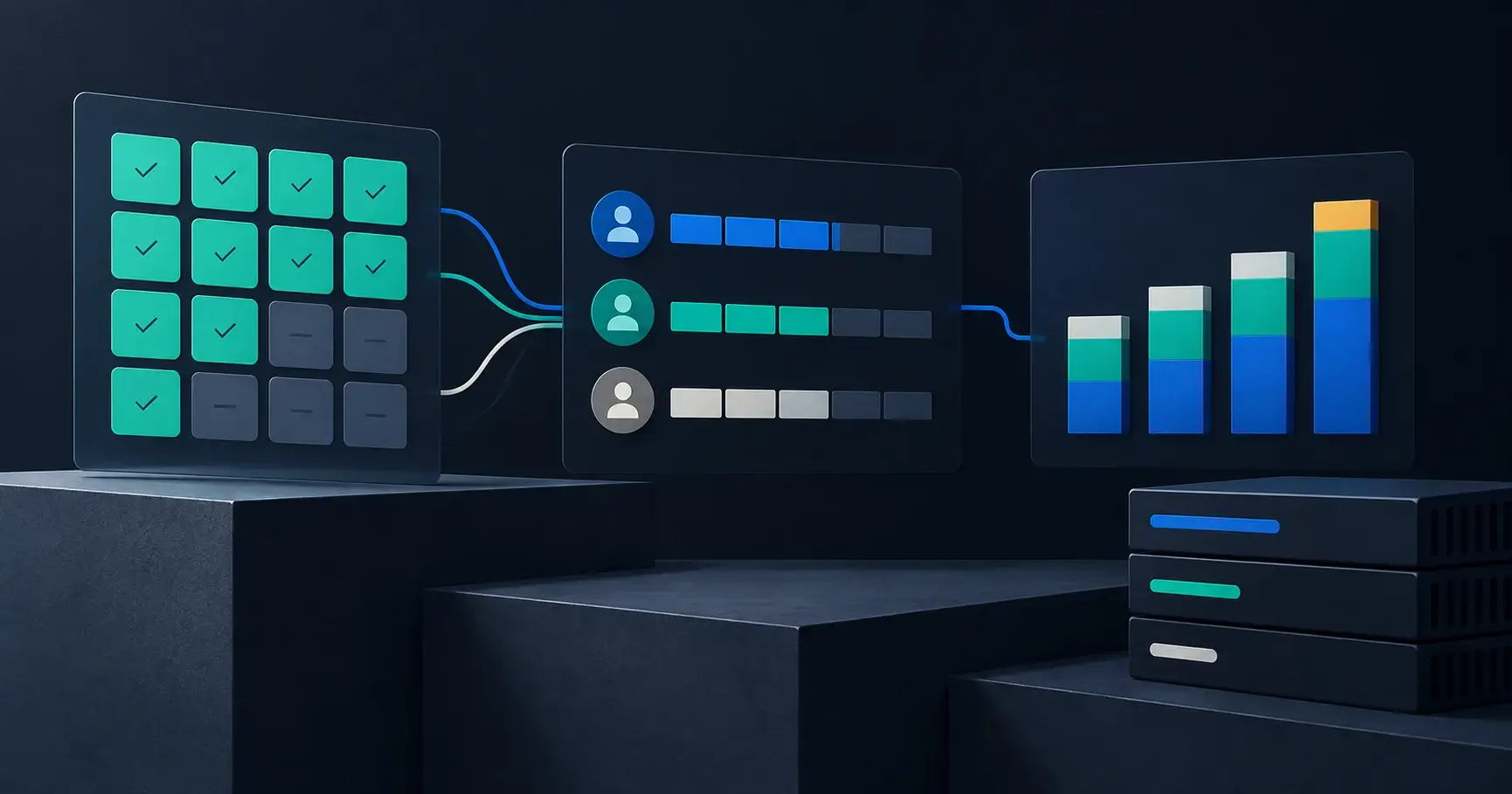
Most organizations will end up running AI workloads across multiple environments. A thoughtful hybrid strategy assigns workloads to environments based on the sensitivity of the data, the performance requirements of the application, and the cost characteristics of each option.
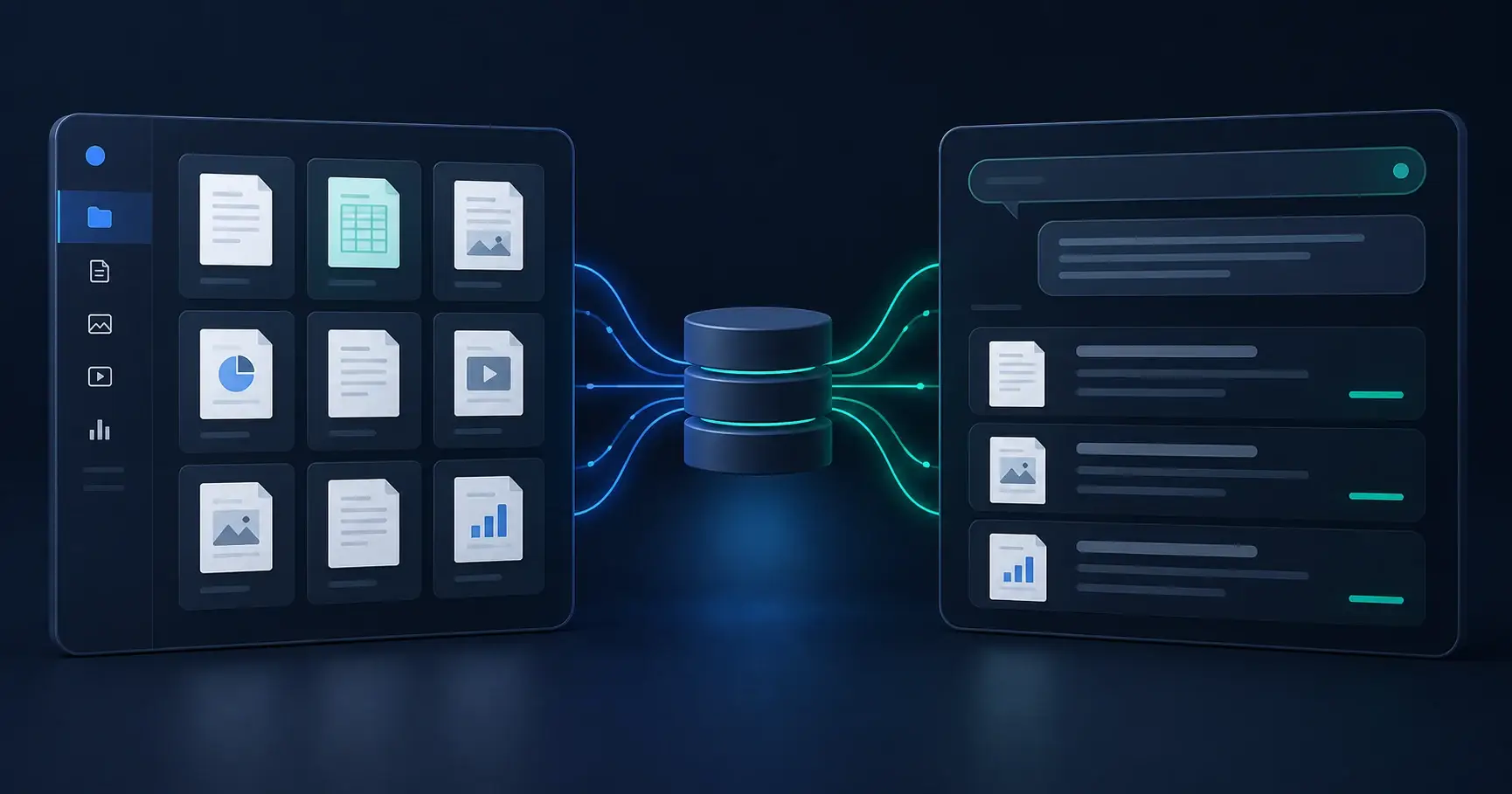
A common hybrid pattern puts the AI inference layer, the component that processes user queries, on-premises while using cloud resources for model training, development and testing, and processing of non-sensitive data. This keeps sensitive data within controlled boundaries while taking advantage of cloud scalability for the computationally intensive training phase.
Another pattern uses cloud AI services for general-purpose capabilities like email classification or public-facing chatbots while running specialized AI systems on-premises for sensitive applications like knowledge management across classified documents or compliance analysis of proprietary contracts. The integration architecture that connects these environments becomes critical, requiring secure data pipelines, consistent identity management, and unified monitoring across deployment boundaries.
Decision Framework
When evaluating deployment options for a specific AI workload, consider five key factors. First, data sensitivity: what is the most sensitive piece of data this AI system will process? If that data cannot leave your premises, the AI system cannot either. Second, scale requirements: how many queries, documents, or transactions does the system need to handle, and how much does this vary over time? Highly variable workloads favor cloud; stable, predictable workloads favor on-premises.
Third, latency requirements: how fast does the system need to respond, and is internet connectivity reliable enough for cloud-based processing? Fourth, total cost of ownership: calculate the full cost of each option over a three to five year horizon, including hardware, software, personnel, cloud service fees, and the cost of migration if you need to change direction. Fifth, vendor flexibility: how locked in are you to a specific cloud provider or hardware platform, and what happens if you need to switch?
Platforms designed for enterprise deployment, like Knowledge Spaces, are built to be deployment-agnostic, capable of running in cloud, on-premises, or hybrid configurations depending on the organization’s requirements. This flexibility is important because deployment needs often change as AI initiatives scale from pilot to production or as regulatory requirements evolve.
Making the Decision
The worst approach to the on-premises versus cloud decision is to treat it as a religious debate. Both options have genuine strengths, and the right answer depends entirely on your specific requirements, constraints, and risk profile. An organization that dogmatically insists on cloud-only deployment will create security risks for sensitive workloads. One that insists on on-premises-only will miss out on the speed, flexibility, and innovation velocity that cloud platforms provide.
Make the decision workload by workload rather than as a blanket organizational policy. Invest in integration capabilities that allow AI systems to operate across environments smoothly. And revisit the decision periodically, because both the technology landscape and your organization’s requirements will continue to evolve.