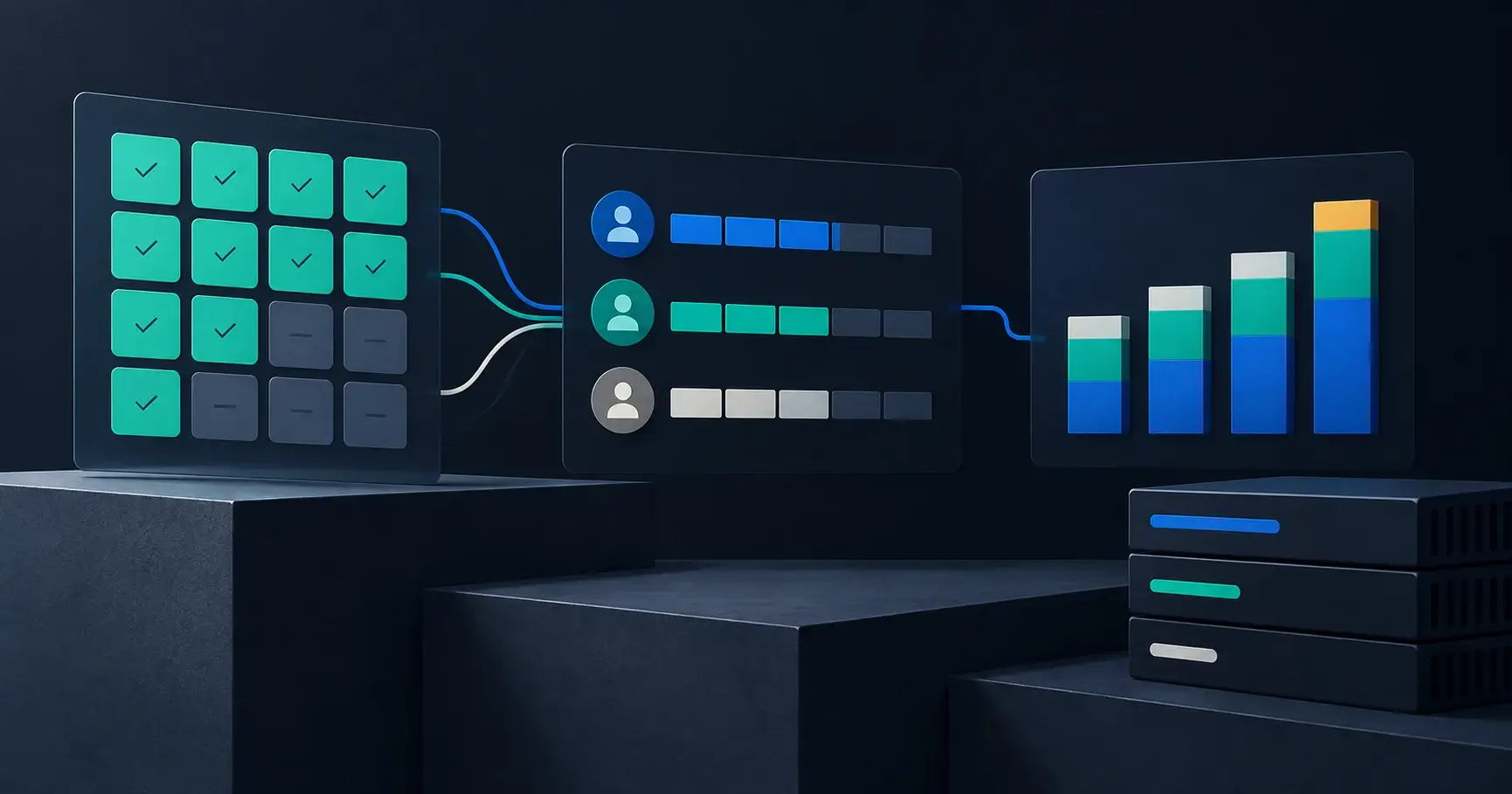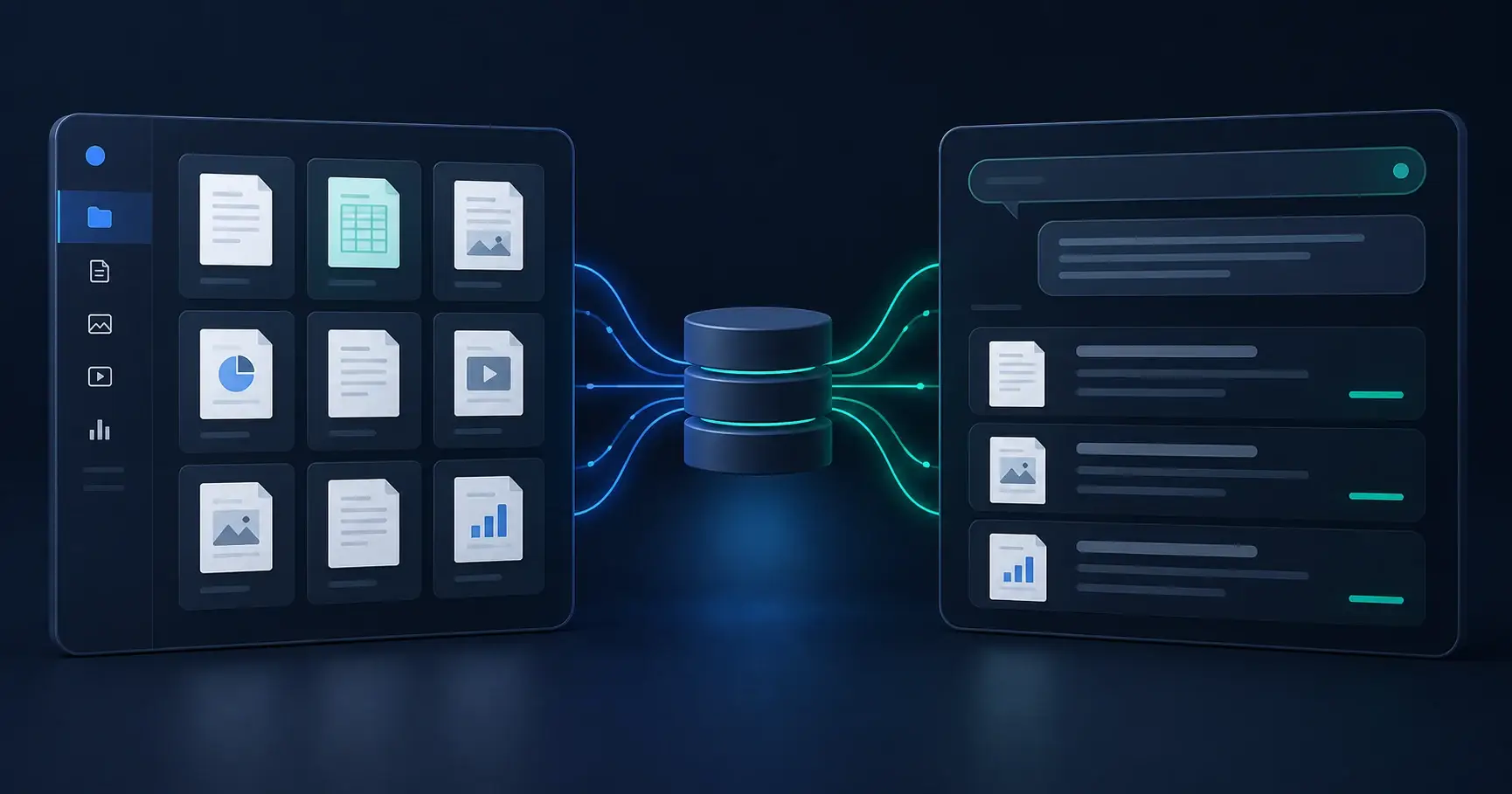

AI pilots often succeed in isolation but fail when they need permissions, connectors, records, approvals, and production support. The integration layer determines whether the pilot becomes a workflow or remains a demo.
This matters because AI systems do not become valuable simply because a model can generate a fluent response. They become valuable when the system fits the work, uses the right sources, respects security boundaries, and gives leaders enough evidence to decide what should happen next.
Executive Takeaway
- The integration layer determines whether the pilot becomes a workflow or remains a demo.
- Start with the workflow, then work backward into data, controls, integration, evaluation, and operations.
- Do not accept a demo as proof of production readiness. Ask for evidence, ownership, and a measurable handoff plan.
Why This Matters
This is especially important for leaders trying to move AI pilots into real business systems. The strongest programs start with a clear workflow and then work backward into data, controls, integration, and measurement. That keeps the team focused on outcomes instead of chasing model announcements.
For implementation teams, the hard work is usually not the model call. It is the data, integration, evaluation, user workflow, and operational handoff.
What Good Looks Like
- map systems of record early
- define tool permissions and approval steps
- test operational handoffs with real users
A useful system should also be easy to explain. Leaders should know what sources it uses, what decisions it can support, what it should refuse, and who owns maintenance after launch. That clarity helps the team move faster because the boundaries are visible before the system reaches users.
Executive Review Lens
Senior teams should review this topic through four questions: what decision gets better, what evidence supports the answer, what risk boundary is enforced, and who owns the system after launch. Those questions keep the conversation anchored in operating value rather than model novelty.
That review also helps separate useful acceleration from unmanaged automation. A system can be fast and still be wrong. A system can be impressive and still be impossible to operate. The goal is a working capability that improves a real workflow, produces auditable evidence, and gives users a clear path when the answer is uncertain.
Architecture And Delivery Pattern
The practical pattern is to start with a narrow workflow, prove the data path, and then expand only after quality and control are measurable. That usually means defining the source of truth, identifying the human owner, building the first evaluation set, and deciding what evidence is needed for the next release.
This also keeps the architecture honest. If the workflow requires citations, the retrieval layer has to preserve source context. If it requires action, the tool layer has to enforce permissions. If it supports regulated or sensitive work, the audit trail has to be part of the design rather than an afterthought.
Production Readiness Signals
- integration dependencies are known
- evaluation data exists
- operations has a runbook
- handoff criteria are defined
These signals do not need to create a slow process. They create a shared definition of ready. That matters because AI work often crosses engineering, legal, security, procurement, operations, and business ownership. Clear readiness criteria help each team move faster because the handoffs are visible.
How This Becomes an Operating Capability
The difference between a one-time AI effort and an operating capability is reuse. The first deployment should produce artifacts the next project can use: connector patterns, prompt and policy versions, evaluation examples, release notes, audit events, and runbook entries. That turns learning into a platform advantage instead of a one-off services exercise.
It also gives executives a better funding model. Instead of paying repeatedly for disconnected pilots, the organization can build a reusable control layer for retrieval, model routing, security review, and operational monitoring. That is the work that compounds over time.
Common Failure Modes
- delaying integration until after the demo
- using test data that hides messy edge cases
- underestimating identity and access management
These failures are avoidable when the implementation plan includes governance, evaluation, and operations from the start. The most expensive AI work is often the work that looks fast at the beginning but has no path to reliable use.
Questions to Ask
- Which systems must the AI touch?
- What can it read or write?
- Who supports the integration after launch?
If the team cannot answer these questions, the next step is not another demo. The next step is a short discovery effort that clarifies workflow value, data readiness, security posture, and ownership.
Sprinklenet Perspective
Sprinklenet builds production-grade AI systems, governed knowledge platforms, and agentic workflows for government and enterprise teams. We care about the details that make AI durable: retrieval quality, model orchestration, auditability, connector security, human review, and operational handoff.
Explore AI services, review Knowledge Spaces, or contact Sprinklenet when you are ready to turn a use case into a working system.

AI Systems Architect, Sprinklenet Research
Marcus Lee is a Sprinklenet Research contributor focused on implementation planning, integration architecture, and production delivery patterns.
He writes about how teams connect models, data, tools, and review workflows into AI systems that can be shipped and operated.